
How to conduct a clinical trial – Islamabad
At Clinical Trials Unit – PMC in Rawalpindi, we’re more than just a research facility — we’re a hub of innovation attracting participants and partners seeking How to conduct a clinical trial in Islamabad and beyond. Known for our robust clinical infrastructure, regulatory excellence, and patient-centric approach, we deliver top-tier trial services across Pakistan. If you’re looking for the best How to conduct a clinical trial in Islamabad, our CTU-PMC location is just a short drive away from Islamabad and always worth the visit.
How to Conduct Clinical Trials in Islamabad | CTU PMC
Clinical trials are the cornerstone of modern medicine — they turn scientific discoveries into life-changing treatments. In Pakistan, especially in Islamabad, the process of conducting a clinical trial is gaining significant momentum due to increased regulatory support, medical expertise, and modern infrastructure.
At the heart of this development stands CTU-PMC (Clinical Trial Unit – Premium Medical Complex), one of Pakistan’s pioneering and DRAP-registered facilities leading ethical, evidence-based clinical research.
Let’s explore how a clinical trial can be successfully conducted in Islamabad, from initial planning to final reporting.
🧩 1. Understanding Clinical Trials
A clinical trial is a research study performed on human volunteers to evaluate the effectiveness and safety of medical treatments, drugs, or devices. It typically progresses through several phases:
- Phase I: Testing drug safety in small groups
- Phase II: Assessing effectiveness and side effects
- Phase III: Confirming results in large populations
- Phase IV: Post-marketing studies to monitor long-term effects
Each phase requires precise methodology, patient consent, and compliance with ethical and regulatory frameworks.
🏛️ 2. Regulatory Framework in Pakistan
In Islamabad, clinical trials are governed by the Drug Regulatory Authority of Pakistan (DRAP) under its Clinical Trials Rules 2018.
Before initiating a study, researchers must obtain:
- Ethical approval from an Institutional Review Board (IRB) or Ethics Committee
- Trial registration through DRAP’s official Clinical Trials Registry (CTR)
- Informed consent forms and participant safety documentation
These steps ensure that all clinical studies meet both national and international Good Clinical Practice (GCP) standards.
🧬 3. Choosing the Right Research Site
Selecting a qualified research site is one of the most critical decisions. Islamabad offers several institutions capable of conducting high-quality research, but CTU-PMC (Premium Medical Complex, Rawalpindi/Islamabad) stands out due to its:
- DRAP-registered trial facility
- Advanced laboratories with modern diagnostic tools
- Temperature-controlled sample storage rooms
- Electronic Data Capture (EDC) systems
- 24/7 patient monitoring units
These features make CTU-PMC a preferred site for both pharmaceutical sponsors and academic researchers seeking accuracy and compliance.
👉 Learn more about CTU-PMC’s research capabilities at https://ctu.pmcpk.com/
🧠 4. Designing a Clinical Trial Protocol
Every trial begins with a protocol — a detailed plan outlining objectives, methodology, inclusion/exclusion criteria, and statistical analysis.
Key elements include:
- Study objectives and endpoints
- Sample size determination
- Dosage, administration, and duration of treatment
- Safety monitoring and adverse event reporting procedures
The protocol must be approved by both DRAP and the institutional ethics committee before recruitment begins.
👩⚕️ 5. Recruiting and Managing Participants
Recruitment is the lifeblood of any trial. In Islamabad, participants can be recruited from local hospitals, clinics, or volunteer databases.
CTU-PMC follows globally accepted ethical principles for participant recruitment:
- Informed consent obtained in writing
- Confidential handling of patient data
- Clear communication of potential risks and benefits
By ensuring trust and transparency, CTU-PMC enhances participant retention and trial quality.
🧾 6. Conducting the Trial: Execution and Data Handling
Once participants are enrolled, the execution phase begins. This involves administering investigational products, monitoring patient health, and recording data using validated systems.
At CTU-PMC, Electronic Data Capture (EDC) ensures data integrity and real-time monitoring. Continuous oversight by clinical research associates (CRAs) guarantees compliance with GCP and DRAP guidelines.
Data analysis is conducted through certified biostatistical tools to ensure reliable and unbiased results.
📊 7. Reporting, Analysis, and Publication
After data collection, the results undergo statistical analysis to determine treatment efficacy and safety. Findings are compiled into Clinical Study Reports (CSRs), which are then submitted to DRAP for evaluation and publication.
Transparent reporting builds credibility and supports future medical innovations. Many studies conducted at CTU-PMC are later published in peer-reviewed international journals, enhancing Pakistan’s contribution to global health research.
🧩 8. Post-Trial Responsibilities
The researcher’s responsibility doesn’t end with data analysis. Follow-up with participants, dissemination of results, and post-marketing surveillance (for drugs) are essential to long-term success.
CTU-PMC maintains post-trial contact with sponsors and participants, ensuring that every project contributes meaningfully to public health improvement.
🌐 9. Collaborating with Global Research Partners
Clinical trials in Islamabad increasingly attract international sponsors due to Pakistan’s diverse patient population and cost-effective research model.
CTU-PMC’s collaborations with global CROs (Contract Research Organizations) and academic institutions make it a trusted regional partner for multi-center trials. This not only strengthens local capacity but also enhances Pakistan’s visibility in the international research community.
🩶 Conclusion
Conducting a clinical trial in Islamabad requires a balance of science, ethics, and compliance. By following DRAP’s regulatory guidelines, maintaining transparency, and partnering with experienced facilities like CTU-PMC, researchers can contribute significantly to Pakistan’s growing medical innovation landscape.
With its advanced infrastructure, skilled professionals, and unwavering commitment to ethical research, CTU-PMC continues to set benchmarks in clinical excellence — paving the way for safer, more effective healthcare solutions for the future.
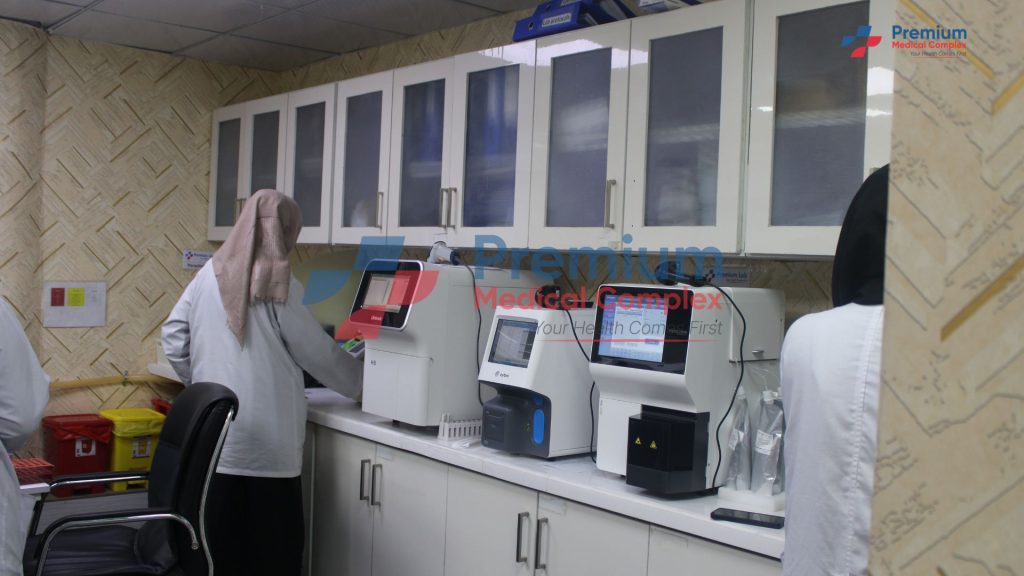
Clinical Trail Unit PMC Pakistan – How to conduct a clinical trial in Islamabad