
Clinical Research Ethics – Islamabad
At Clinical Trials Unit – PMC in Rawalpindi, we’re more than just a research facility — we’re a hub of innovation attracting participants and partners seeking Clinical Research Ethics in Islamabad and beyond. Known for our robust clinical infrastructure, regulatory excellence, and patient-centric approach, we deliver top-tier trial services across Pakistan. If you’re looking for the best Clinical Research Ethics in Islamabad, our CTU-PMC location is just a short drive away from Islamabad and always worth the visit.
Best Clinical Research Ethics in Islamabad| CTU-PMC
Clinical research is the cornerstone of medical innovation. It provides the evidence needed to introduce new drugs, therapies, and technologies that save lives. However, in Pakistan, like in every country that values human dignity, the ethical conduct of such research is not just a formality — it is a legal, moral, and scientific necessity.
The Clinical Trial Units (CTUs) across Pakistan are responsible for ensuring that every clinical study follows the highest ethical standards — protecting the rights, safety, and welfare of all participants.
1. The Foundation of Research Ethics
Ethics in clinical research revolve around one core principle: respect for human life. The ethical framework ensures that no human participant is ever exploited or harmed in the name of science.
In Pakistan, this principle is upheld through national regulations and international ethical codes, such as:
- The Declaration of Helsinki
- The Belmont Report (respect for persons, beneficence, and justice)
- ICH-GCP (Good Clinical Practice) guidelines
Every Clinical Trial Unit in Pakistan must follow these international benchmarks along with local laws set by the Drug Regulatory Authority of Pakistan (DRAP) and the National Bioethics Committee (NBC).
2. Regulatory Framework for Clinical Research Ethics in Islamabad
Islamabad’s clinical research landscape has matured significantly over the past decade. The Drug Regulatory Authority of Pakistan (DRAP), established under the DRAP Act 2012, regulates and monitors all clinical trials and biomedical research activities.
DRAP’s Bio-Study Rules (2017) make it mandatory that all research involving human participants must be approved by:
- A National or Institutional Bioethics Committee (IBC)
- DRAP’s Clinical Trials Evaluation Committee (CTEC)
These bodies ensure that the study protocols, consent forms, and recruitment procedures meet ethical and scientific standards before approval is granted.
3. The Role of Institutional Review Boards (IRBs)
Every Clinical Trial Unit (CTU) or research institute conducting clinical research in Pakistan must have an Institutional Review Board (IRB) or Ethics Committee (EC).
The IRB’s role is to:
- Review and approve study protocols
- Evaluate potential risks vs. benefits
- Ensure voluntary and informed consent
- Monitor ongoing research for compliance
The IRB approval is a prerequisite before any clinical trial can begin. This step guarantees that research subjects are never exposed to unnecessary risks and that confidentiality is always maintained.
4. Informed Consent: A Cornerstone of Ethical Practice
One of the most vital components of ethical clinical research in Pakistan is informed consent. Participants must be given full information — in a language they understand — about:
- The purpose of the study
- Procedures involved
- Possible risks and benefits
- Their right to withdraw at any time
In Pakistan, consent forms are often translated into Urdu and regional languages to ensure clarity and accessibility for all participants, regardless of literacy level.
This process ensures that participation is voluntary, informed, and free from coercion.
5. Protecting Vulnerable Populations
Pakistan’s diverse population includes vulnerable groups — such as children, the elderly, economically disadvantaged individuals, and those with limited education. Ethical clinical research must provide special safeguards for these participants.
For instance:
- Parental or guardian consent is required for minors.
- Extra oversight is applied when working with populations that might not fully understand the implications of participation.
- Compensation policies must be fair and not coercive.
The National Bioethics Committee (NBC) provides detailed guidance for such cases to prevent exploitation.
6. Training and Capacity Building in Research Ethics
To strengthen ethical research culture, Pakistan has initiated training programs for researchers and ethics committee members. Universities, hospitals, and CTUs often collaborate with organizations such as:
- Higher Education Commission (HEC)
- Pakistan Health Research Council (PHRC)
- World Health Organization (WHO)
These programs cover:
- Principles of bioethics
- GCP certification
- Ethical data handling
- Conflict of interest management
This continuous education ensures that ethical principles are not just understood but actively practiced in daily research operations.
7. Challenges in Maintaining Ethical Standards
Despite major progress, Pakistan still faces several challenges in implementing clinical research ethics:
- Lack of awareness among small research centers
- Insufficient IRB capacity in rural areas
- Limited monitoring and post-approval audits
- Language barriers in informed consent
- Inconsistent enforcement of ethical violations
However, national efforts led by DRAP, HEC, and NBC are closing these gaps through strict regulation, digital registration systems, and public awareness campaigns.
8. The Future of Ethical Clinical Research in Pakistan
The future looks promising. With increasing pharmaceutical investments and academic collaboration, Pakistan is rapidly developing into a regional hub for clinical trials.
To sustain this growth ethically, the focus must remain on:
- Transparency: Sharing results openly
- Accountability: Enforcing ethics through audits
- Public Trust: Building awareness about the value of ethical research
Institutions such as Clinical Trial Units (CTUs) at medical universities are key drivers of this transformation — ensuring that Pakistan’s contribution to global medical research remains both credible and humane.
Conclusion
Ethics are the foundation of clinical research — without them, even the most advanced science loses its moral compass. In Pakistan, the combined efforts of DRAP, NBC, IRBs, and CTUs ensure that every research participant is treated with respect and care.
By maintaining ethical integrity, Pakistan is not only improving the quality of medical research but also building trust among patients, sponsors, and the global scientific community.
Clinical research ethics in Pakistan are not just rules — they are the moral heartbeat of medical discovery.
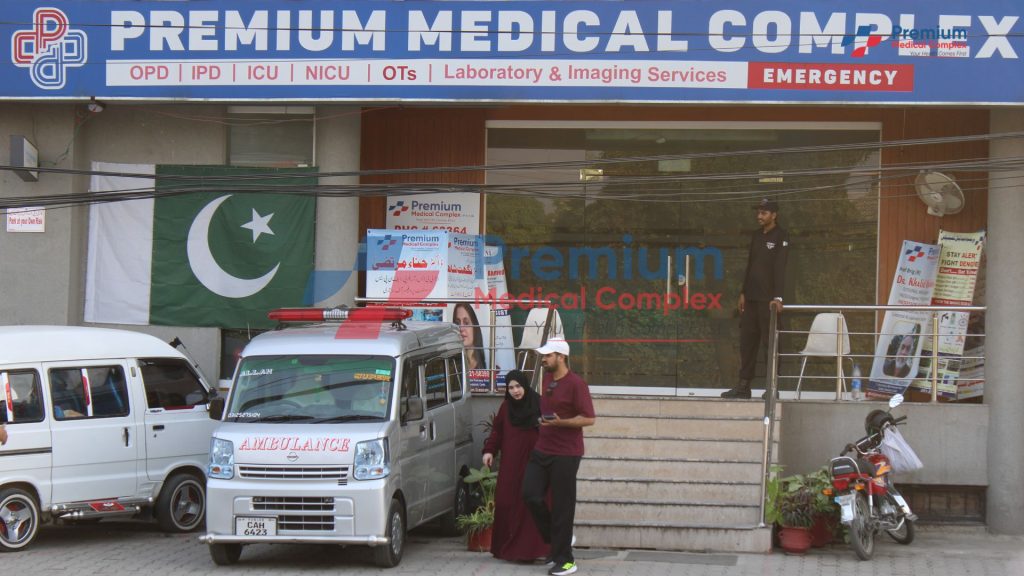
Clinical Trail Unit PMC Pakistan – Clinical Research Ethics in Islamabad