
CTU-PMC Patient Safety in Clinical Trials
How CTU-PMC Ensures Patient Safety in Phase II-IV Trials in Pakistan
Clinical trials represent the most critical stage in the journey from medical discovery to patient care. In Pakistan, one name has consistently stood out for maintaining global standards of safety, transparency, and ethics — the Clinical Trial Unit at Premium Medical Complex (CTU-PMC).
From Phase II to Phase IV clinical trials, CTU-PMC ensures that every research participant is protected through a comprehensive safety framework rooted in Good Clinical Practice (GCP), DRAP compliance, and international ethical guidelines.
👉 Visit CTU-PMC Official Website
1. Understanding Phase II-IV Clinical Trials
Before exploring CTU-PMC’s safety measures, it’s essential to understand what Phase II-IV trials entail:
- Phase II Trials: Focus on evaluating the drug’s safety, dosage, and efficacy in a controlled group of patients.
- Phase III Trials: Large-scale studies comparing new treatments with standard therapies to confirm effectiveness and monitor side effects.
- Phase IV Trials: Conducted after drug approval to track long-term effects, effectiveness in broader populations, and rare adverse reactions.
Each phase involves patient participation, data collection, and monitoring, making safety protocols indispensable throughout the process.
2. CTU-PMC’s Patient-Centered Philosophy
At the heart of CTU-PMC’s mission lies one principle — “Patients First.”
The unit believes that clinical research should never compromise human dignity or well-being. Therefore, all trials at CTU-PMC are built on ethical conduct, transparency, and accountability.
CTU-PMC’s philosophy ensures that participants:
- Receive full information before enrollment.
- Understand the potential risks and benefits.
- Are free to withdraw at any time.
- Receive continuous medical supervision during participation.
This human-centered approach distinguishes CTU-PMC as a leader in ethical clinical research in Pakistan.
3. Comprehensive Screening and Informed Consent
Patient safety begins before a trial starts.
CTU-PMC has a detailed pre-screening process to ensure only eligible participants join a study. This includes:
- Reviewing patient medical history.
- Conducting diagnostic tests.
- Assessing risk-benefit suitability.
Informed Consent
Once eligibility is confirmed, participants undergo an informed consent process conducted in their native language for complete understanding.
The consent document clearly outlines:
- The purpose of the trial.
- Procedures involved.
- Possible risks and benefits.
- Confidentiality assurances.
- Voluntary participation rights.
Every consent form is ethically approved by a DRAP-registered Ethics Review Board (ERB) before use.
4. Safety Monitoring and Risk Management
CTU-PMC employs advanced risk management systems to identify, prevent, and respond to potential safety issues during trials.
Safety Oversight Includes:
- Continuous vital sign monitoring.
- Routine lab investigations and health assessments.
- Real-time data capture for adverse events (AEs) and serious adverse events (SAEs).
- 24/7 emergency medical support within the facility.
- Regular review by Safety Committees and Independent Data Monitoring Boards (IDMBs).
By combining human expertise with digital tools, CTU-PMC ensures zero compromise on patient safety.
5. Adherence to International Guidelines
CTU-PMC strictly follows globally recognized frameworks to maintain research integrity and participant safety:
- ICH-GCP (International Council for Harmonisation – Good Clinical Practice)
- World Health Organization (WHO) clinical trial standards
- DRAP (Drug Regulatory Authority of Pakistan) guidelines
- Declaration of Helsinki (Ethical Principles for Medical Research Involving Human Subjects)
These protocols guarantee that all clinical data from CTU-PMC is scientifically valid, ethically sound, and globally accepted.
6. Trained and Certified Research Team
The expertise of CTU-PMC’s staff is one of its strongest safety assets.
Every investigator, nurse, and coordinator undergoes comprehensive GCP and bioethics training, covering:
- Adverse event detection and reporting.
- Emergency management and first aid.
- Documentation accuracy.
- Patient confidentiality and privacy laws.
- Clinical data quality assurance.
By cultivating a culture of vigilance and empathy, CTU-PMC ensures every staff member becomes a guardian of participant well-being.
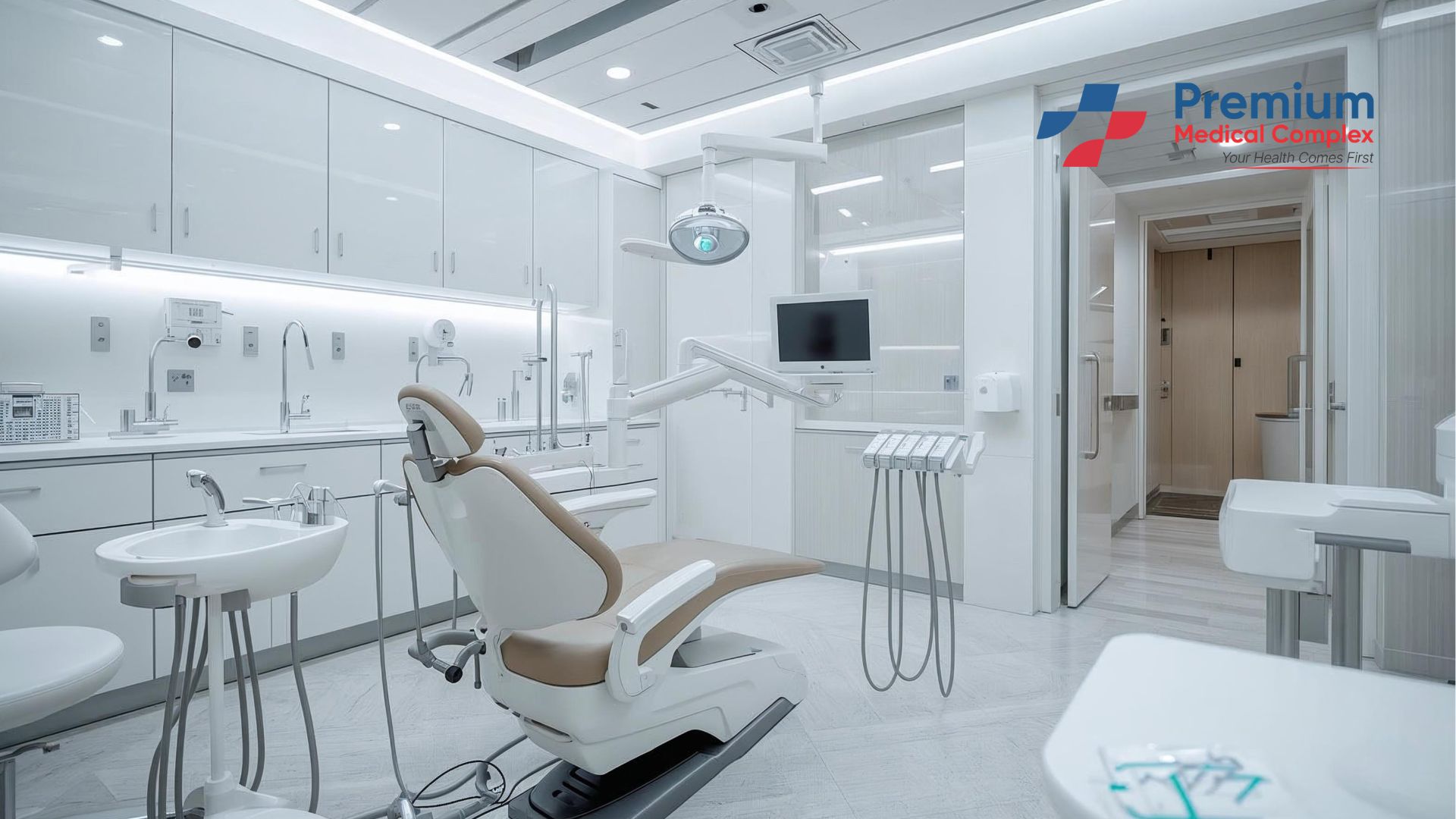
7. Infrastructure Designed for Safety
CTU-PMC’s infrastructure has been purpose-built to minimize risks and support continuous safety monitoring.
Key Facilities Include:
- Observation Units: For real-time medical supervision.
- Informed Consent Rooms: Private spaces for ethical discussions.
- IP (Investigational Product) Management Area: Ensures proper drug storage and handling.
- Emergency Response Units: Equipped with advanced medical tools.
- Temperature-Controlled Laboratories: Maintain sample integrity.
- Archiving Rooms: Preserve trial records for audits and compliance checks.
Every part of the facility reflects CTU-PMC’s commitment to safety, precision, and professionalism.
8. Data Integrity and Confidentiality
Protecting participants also means safeguarding their personal and medical data.
CTU-PMC uses secure Electronic Data Capture (EDC) systems with controlled access, audit trails, and encryption.
These systems ensure:
- Accuracy in data collection.
- Real-time monitoring and alerts.
- Full traceability for each entry.
- Compliance with HIPAA and GDPR-equivalent privacy standards.
Through these measures, CTU-PMC guarantees that participants’ identities and information remain strictly confidential.
9. Adverse Event Reporting and Follow-Up
CTU-PMC has a robust Adverse Event Reporting System (AERS) that promptly captures and communicates safety signals to sponsors, CROs, and regulatory bodies.
Process Includes:
- Immediate on-site documentation.
- Assessment of causality and severity.
- Notification to Ethics Committees and DRAP.
- Participant care and follow-up until recovery.
This transparent and timely approach enhances both sponsor confidence and patient trust.
10. Collaboration with CROs and Global Sponsors
CTU-PMC’s commitment to safety has earned it partnerships with reputable Contract Research Organizations (CROs) and biopharmaceutical companies worldwide.
Through collaboration, CTU-PMC gains access to:
- Advanced pharmacovigilance systems.
- Updated international safety databases.
- Real-time sponsor audits and monitoring visits.
- Continuous quality improvement programs.
These partnerships elevate CTU-PMC’s reputation as a globally reliable trial site.
11. Post-Trial Patient Support
CTU-PMC’s responsibility doesn’t end when the trial concludes.
Post-trial, participants receive:
- Continued health monitoring.
- Access to medical reports.
- Long-term follow-up for safety evaluation.
- Guidance on future treatment options.
This ongoing care builds trust and long-term engagement with the research community.
12. Continuous Improvement and Quality Audits
To maintain top-tier performance, CTU-PMC conducts internal audits and external quality assessments.
Regular feedback loops ensure that any deviation or safety risk is immediately corrected.
Annual GCP audits and DRAP inspections further validate the center’s compliance with regulatory expectations.
13. Impact on Pakistan’s Research Landscape
By ensuring safety and ethics, CTU-PMC strengthens Pakistan’s credibility in the international research community.
Its model promotes:
- Public confidence in clinical trials.
- Attraction of global research investments.
- Improved local access to innovative treatments.
- Professional development of clinical researchers.
CTU-PMC’s excellence is shaping Pakistan into a trusted destination for ethical clinical research.
Conclusion
Patient safety isn’t just a responsibility — it’s the soul of clinical research.
Through rigorous screening, transparent communication, ethical governance, and advanced medical infrastructure, CTU-PMC has set a benchmark for safe and ethical trials in Pakistan.
As Pakistan’s clinical research ecosystem continues to grow, CTU-PMC stands as a symbol of integrity, innovation, and care, ensuring that every medical breakthrough begins with patient trust.
For detailed information about ongoing studies and collaborations, visit the official website:
👉 https://ctu.pmcpk.com/