
Regulatory compliance for clinical trials – Islamabad
At Clinical Trials Unit – PMC in Rawalpindi, we’re more than just a research facility — we’re a hub of innovation attracting participants and partners seeking Regulatory compliance for clinical trials in Islamabad and beyond. Known for our robust clinical infrastructure, regulatory excellence, and patient-centric approach, we deliver top-tier trial services across Pakistan. If you’re looking for the best Regulatory compliance for clinical trials in Islamabad, our CTU-PMC location is just a short drive away from Islamabad and always worth the visit.
Regulatory Compliance for Clinical Trials in Islamabad
Clinical research in Pakistan, particularly in its capital city Islamabad, has entered a new era of ethical and scientific progress. As the demand for innovative medicines and treatments grows, so does the responsibility to ensure that every trial conducted meets the highest global standards of regulatory compliance.
Islamabad, being home to leading hospitals, universities, and the Drug Regulatory Authority of Pakistan (DRAP), serves as the central hub for ensuring ethical conduct, data accuracy, and patient safety in all clinical research activities.
1. Understanding Regulatory Compliance in Clinical Trials
Regulatory compliance refers to adherence to all national and international laws, ethical guidelines, and procedural standards that govern clinical research. These regulations safeguard human participants, maintain scientific credibility, and ensure that trial results are both reliable and reproducible.
In Islamabad, the Drug Regulatory Authority of Pakistan (DRAP) oversees the entire framework for clinical trials. From trial registration and approval to ethical oversight and inspection, DRAP ensures that each study aligns with global principles such as:
- Good Clinical Practice (GCP)
- Declaration of Helsinki
- International Council for Harmonisation (ICH) guidelines
2. The Role of DRAP in Pakistan’s Clinical Research
DRAP is the primary regulatory authority responsible for clinical trial oversight in Pakistan. It ensures that pharmaceutical companies, contract research organizations (CROs), and clinical trial units operate ethically and transparently.
Key DRAP functions include:
- Trial Approval: Reviewing and authorizing study protocols before implementation.
- Ethical Oversight: Ensuring all trials are approved by an Ethics Committee or Institutional Review Board (IRB).
- Inspection and Monitoring: Conducting site inspections to assess adherence to GCP and data integrity.
- Adverse Event Reporting: Requiring timely reporting of any side effects or complications.
- Transparency: Maintaining a public record of registered and completed trials.
This system promotes accountability and strengthens public trust in Pakistan’s growing research landscape.
3. Ethics Committees and Institutional Review Boards (IRBs)
Ethical review is a cornerstone of regulatory compliance. In Islamabad, research institutions and hospitals must obtain prior approval from an Ethics Committee before enrolling participants in any trial.
Ethics Committees ensure that:
- Participants give informed consent voluntarily.
- Study risks are minimized and balanced with potential benefits.
- Privacy, dignity, and rights of patients are respected.
- Investigators are properly trained and qualified.
Institutions like the CTU-PMC (Clinical Trial Unit – Premium Medical Complex) follow this process strictly, ensuring every study meets both DRAP and international ethical requirements.
4. CTU-PMC: Upholding Research Integrity in Islamabad
Located in the heart of Rawalpindi–Islamabad, CTU-PMC represents a benchmark for regulatory excellence in Pakistan. As one of the first DRAP-approved clinical trial units, CTU-PMC operates under strict adherence to Good Clinical Practice (GCP) guidelines and international quality systems.
CTU-PMC’s regulatory strengths include:
- Complete documentation and audit readiness for all clinical studies.
- Compliance with DRAP protocols and international sponsor requirements.
- Internal Quality Assurance (QA) audits to monitor compliance.
- Continuous staff training on ethics, patient safety, and regulatory updates.
By aligning with global standards, CTU-PMC ensures every trial it conducts is credible, ethical, and globally recognized.
👉 Learn more at CTU-PMC.
5. Key Regulations Governing Clinical Trials in Islamabad
Several regulatory frameworks shape Pakistan’s clinical research environment:
- DRAP Act, 2012: Establishes DRAP’s authority over all medical and pharmaceutical research.
- Clinical Trials Rules, 2018: Defines requirements for trial registration, sponsor responsibilities, and ethics approval.
- Bioethics National Guidelines (PMRC): Provides principles for protecting participants’ rights.
- ICH-GCP Standards: Sets global benchmarks for data accuracy, safety, and transparency.
Researchers must comply with these frameworks before initiating any study, ensuring that participant safety and data reliability remain top priorities.
6. The Importance of Training and Capacity Building
Regulatory compliance is not just about paperwork; it requires continuous education. In Islamabad, organizations like CTU-PMC and universities host GCP training sessions, ethics workshops, and regulatory seminars for researchers and healthcare professionals.
These programs focus on:
- Understanding ethical principles.
- Managing documentation and data.
- Conducting audits and inspections.
- Improving participant recruitment strategies ethically.
Such training strengthens Pakistan’s research ecosystem and enhances global collaboration opportunities.
7. Challenges and Opportunities
Despite progress, Pakistan still faces certain challenges in achieving complete regulatory harmony:
- Limited awareness among smaller hospitals and CROs.
- Need for faster trial approvals while maintaining strict oversight.
- Data management and digital compliance infrastructure gaps.
However, these challenges open doors for improvement. By embracing digital documentation systems, advanced data monitoring, and international partnerships, Islamabad’s research centers are rapidly aligning with global expectations.
8. Future of Regulatory Compliance in Islamabad
As Pakistan’s medical research sector expands, regulatory compliance will become even more crucial. Islamabad’s institutions are poised to become regional leaders by integrating technology, ethical governance, and cross-border research initiatives.
The future will likely bring:
- Automated digital trial registries.
- Real-time DRAP monitoring systems.
- Enhanced patient engagement and transparency.
CTU-PMC’s leadership in ethical research and regulatory excellence will continue to shape Pakistan’s global scientific identity.
Conclusion
Regulatory compliance is the foundation of trustworthy and ethical clinical research. In Islamabad, through the leadership of DRAP, Ethics Committees, and pioneering centers like CTU-PMC, Pakistan is creating a transparent, safe, and globally respected clinical trial environment.
By prioritizing ethics, documentation, and international collaboration, Islamabad is setting a new standard — where every study not only meets compliance requirements but contributes meaningfully to better healthcare outcomes.
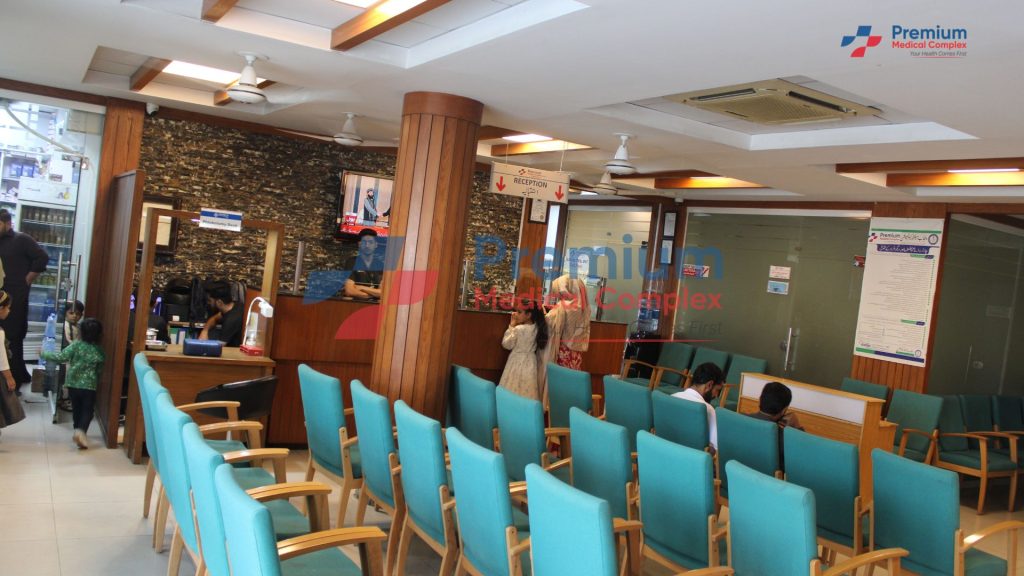
Clinical Trail Unit PMC Pakistan – Regulatory compliance for clinical trials in Islamabad