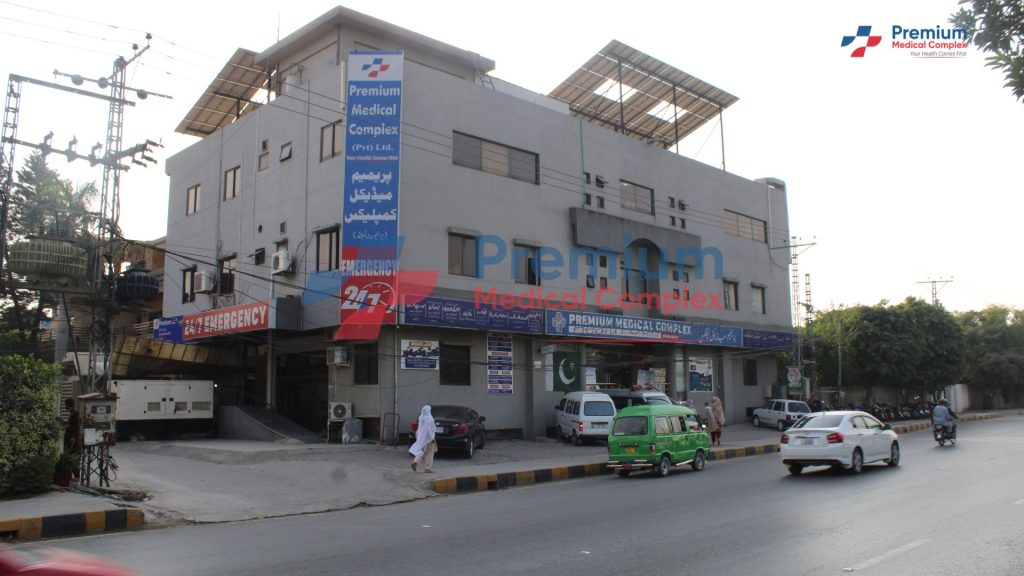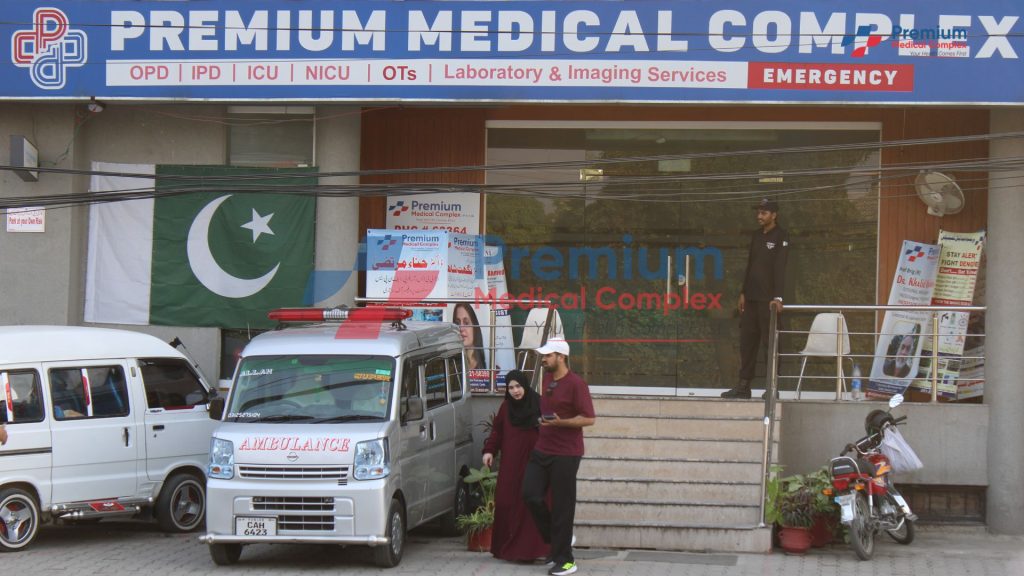
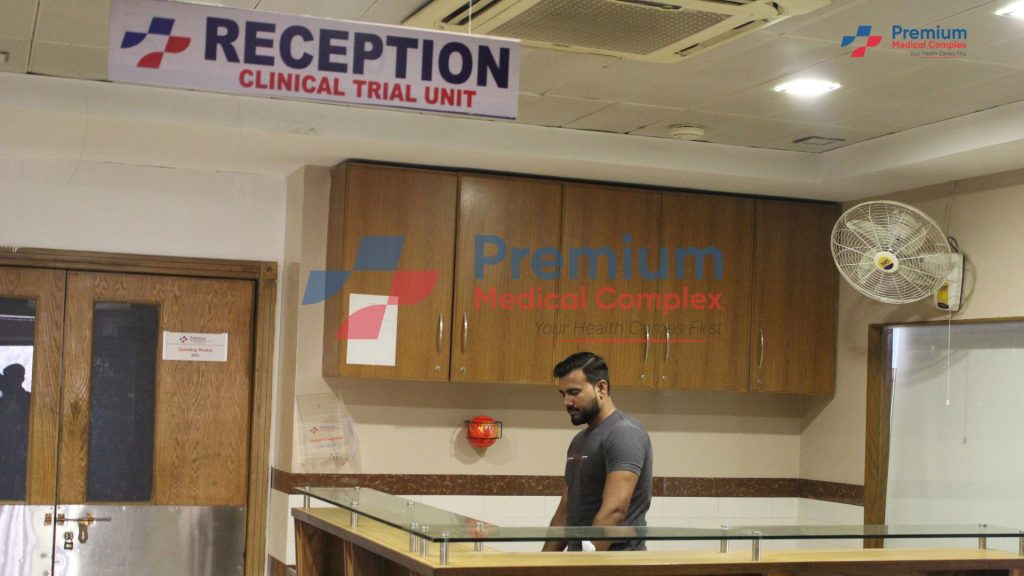
Clinical Trail Unit

Contact Pages

Clinical Research Company in Islamabad at PMC Clinical Trail Unit

Clinical research company

Best Clinical Research Company in Islamabad | CTU-PMC Islamabad, Pakistan’s capital, has evolved into a hub for advanced medical science, public health, and clinical research. At the heart of this transformation stands a growing network of clinical research companies—organizations that play a vital role in testing, evaluating, and validating new medical treatments and pharmaceutical products. Among these, CTU-PMC (Clinical Trial Unit – Premium Medical Complex) stands out as one of the leading centers dedicated to promoting ethical, evidence-based, and globally compliant research practices. Clinical research companies like CTU-PMC are transforming how medicine is developed and delivered in Pakistan—bridging the gap between international research standards and local healthcare needs. 🌍 Why Islamabad is Emerging as a Clinical Research Hub Islamabad is strategically positioned as the center of Pakistan’s healthcare policymaking and medical academia. With access to top-tier hospitals, universities, and regulatory bodies, it provides an ideal environment for clinical research and trials. Government support through the Drug Regulatory Authority of Pakistan (DRAP) and the presence of trained medical professionals have made Islamabad a preferred site for both local and international sponsors conducting Phase I–IV clinical trials. Additionally, Pakistan’s diverse patient population allows for comprehensive data collection—crucial for developing effective and safe medical therapies. 🧪 What Makes a Clinical Research Company Important A clinical research company ensures that every new medicine, vaccine, or therapy undergoes strict scientific evaluation before reaching the public. These companies: Without these organizations, modern medicine would lack the scientific backbone necessary to guarantee safety, quality, and effectiveness. 🧬 CTU-PMC: The Benchmark of Clinical Research Excellence As one of Islamabad’s first DRAP-registered clinical trial units, CTU-PMC leads the way in medical innovation. Based in Rawalpindi-Islamabad, it operates under international GCP standards and collaborates with renowned healthcare professionals and research institutions. Key specializations include: CTU-PMC combines advanced research technology with ethical principles, ensuring every study meets global benchmarks. Learn more about CTU-PMC’s facilities and ongoing trials here:👉 CTU-PMC Clinical Trial Unit 🧠 Ethics and Patient Safety: The Core of Research Integrity A reliable clinical research company in Islamabad must place ethics above everything. CTU-PMC ensures: These safeguards not only protect participants but also maintain the integrity of every research outcome. 🔬 Technological Advancements in Islamabad’s Research Sector Modern clinical research relies heavily on technology. Leading research facilities like CTU-PMC utilize: This digital integration has made Islamabad’s research industry more efficient, transparent, and globally competitive. 🤝 Collaboration and Global Partnerships CTU-PMC collaborates with both local and international organizations to advance healthcare innovation. By working closely with universities, pharmaceutical sponsors, and public health agencies, it ensures that Pakistan remains part of the global dialogue on medical advancement. Such partnerships not only boost credibility but also open doors for funding, innovation exchange, and technology transfer, making Islamabad a vital player in the regional research landscape. 📈 Training and Capacity Building To sustain innovation, training the next generation of researchers is vital. CTU-PMC regularly organizes workshops, GCP certification programs, and internships for medical professionals and students. These initiatives ensure that Pakistan’s young researchers are ready to take on international clinical challenges while maintaining ethical and scientific excellence. 🩸 Impact on Healthcare and the Pharmaceutical Industry Clinical research companies are catalysts for progress. Their findings shape new treatments, inform policy decisions, and improve patient outcomes. In Islamabad, CTU-PMC’s contributions have led to: Ultimately, this strengthens Pakistan’s position as a reliable contributor to global healthcare solutions. 🩶 Conclusion The clinical research industry in Islamabad is setting new benchmarks in ethics, innovation, and scientific excellence. At its center, CTU-PMC continues to lead with dedication, ensuring that every study conducted under its supervision contributes meaningfully to the advancement of medicine. As Pakistan’s healthcare sector grows, organizations like CTU-PMC serve as beacons of hope — proving that with integrity, collaboration, and technology, better research leads to better lives.
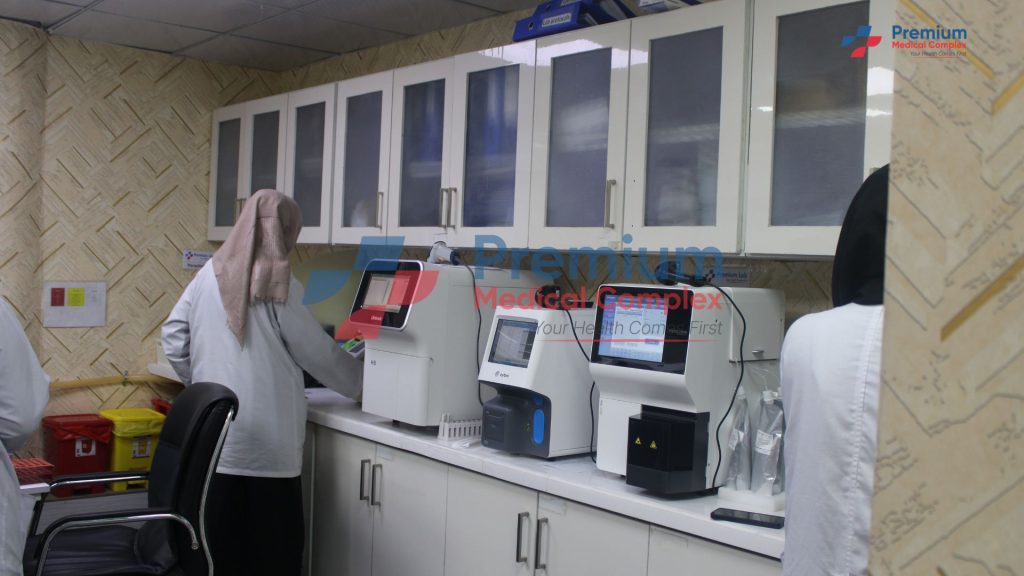
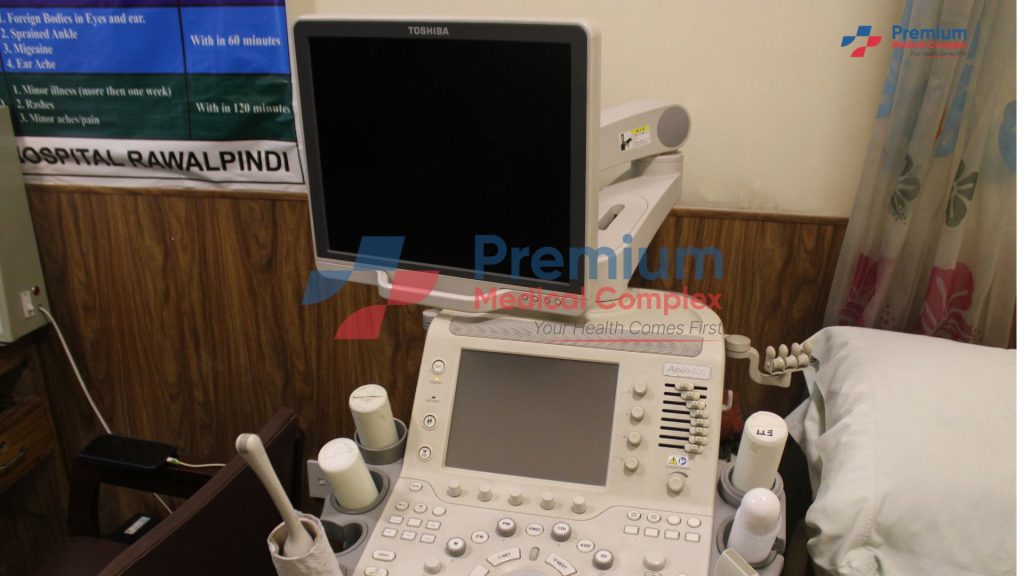
Conducting a clinical trial in Islamabad

How to conduct a clinical trial

How to Conduct Clinical Trials in Islamabad | CTU PMC Clinical trials are the cornerstone of modern medicine — they turn scientific discoveries into life-changing treatments. In Pakistan, especially in Islamabad, the process of conducting a clinical trial is gaining significant momentum due to increased regulatory support, medical expertise, and modern infrastructure. At the heart of this development stands CTU-PMC (Clinical Trial Unit – Premium Medical Complex), one of Pakistan’s pioneering and DRAP-registered facilities leading ethical, evidence-based clinical research. Let’s explore how a clinical trial can be successfully conducted in Islamabad, from initial planning to final reporting. 🧩 1. Understanding Clinical Trials A clinical trial is a research study performed on human volunteers to evaluate the effectiveness and safety of medical treatments, drugs, or devices. It typically progresses through several phases: Each phase requires precise methodology, patient consent, and compliance with ethical and regulatory frameworks. 🏛️ 2. Regulatory Framework in Pakistan In Islamabad, clinical trials are governed by the Drug Regulatory Authority of Pakistan (DRAP) under its Clinical Trials Rules 2018. Before initiating a study, researchers must obtain: These steps ensure that all clinical studies meet both national and international Good Clinical Practice (GCP) standards. 🧬 3. Choosing the Right Research Site Selecting a qualified research site is one of the most critical decisions. Islamabad offers several institutions capable of conducting high-quality research, but CTU-PMC (Premium Medical Complex, Rawalpindi/Islamabad) stands out due to its: These features make CTU-PMC a preferred site for both pharmaceutical sponsors and academic researchers seeking accuracy and compliance. 👉 Learn more about CTU-PMC’s research capabilities at https://ctu.pmcpk.com/ 🧠 4. Designing a Clinical Trial Protocol Every trial begins with a protocol — a detailed plan outlining objectives, methodology, inclusion/exclusion criteria, and statistical analysis. Key elements include: The protocol must be approved by both DRAP and the institutional ethics committee before recruitment begins. 👩‍⚕️ 5. Recruiting and Managing Participants Recruitment is the lifeblood of any trial. In Islamabad, participants can be recruited from local hospitals, clinics, or volunteer databases. CTU-PMC follows globally accepted ethical principles for participant recruitment: By ensuring trust and transparency, CTU-PMC enhances participant retention and trial quality. 🧾 6. Conducting the Trial: Execution and Data Handling Once participants are enrolled, the execution phase begins. This involves administering investigational products, monitoring patient health, and recording data using validated systems. At CTU-PMC, Electronic Data Capture (EDC) ensures data integrity and real-time monitoring. Continuous oversight by clinical research associates (CRAs) guarantees compliance with GCP and DRAP guidelines. Data analysis is conducted through certified biostatistical tools to ensure reliable and unbiased results. 📊 7. Reporting, Analysis, and Publication After data collection, the results undergo statistical analysis to determine treatment efficacy and safety. Findings are compiled into Clinical Study Reports (CSRs), which are then submitted to DRAP for evaluation and publication. Transparent reporting builds credibility and supports future medical innovations. Many studies conducted at CTU-PMC are later published in peer-reviewed international journals, enhancing Pakistan’s contribution to global health research. 🧩 8. Post-Trial Responsibilities The researcher’s responsibility doesn’t end with data analysis. Follow-up with participants, dissemination of results, and post-marketing surveillance (for drugs) are essential to long-term success. CTU-PMC maintains post-trial contact with sponsors and participants, ensuring that every project contributes meaningfully to public health improvement. 🌐 9. Collaborating with Global Research Partners Clinical trials in Islamabad increasingly attract international sponsors due to Pakistan’s diverse patient population and cost-effective research model. CTU-PMC’s collaborations with global CROs (Contract Research Organizations) and academic institutions make it a trusted regional partner for multi-center trials. This not only strengthens local capacity but also enhances Pakistan’s visibility in the international research community. 🩶 Conclusion Conducting a clinical trial in Islamabad requires a balance of science, ethics, and compliance. By following DRAP’s regulatory guidelines, maintaining transparency, and partnering with experienced facilities like CTU-PMC, researchers can contribute significantly to Pakistan’s growing medical innovation landscape. With its advanced infrastructure, skilled professionals, and unwavering commitment to ethical research, CTU-PMC continues to set benchmarks in clinical excellence — paving the way for safer, more effective healthcare solutions for the future.

GCP training center Islamabad

GCP Training Centers

GCP Training Centers in Islamabad Clinical research plays a vital role in modern medicine, and ethical compliance is the foundation of trustworthy science. In Pakistan, particularly in Islamabad, the importance of Good Clinical Practice (GCP) training is rapidly growing as more institutions and hospitals participate in global research projects. GCP ensures that clinical trials are conducted ethically, scientifically, and transparently — protecting participants while maintaining the credibility of results. To meet this rising demand, several GCP training centers in Islamabad now offer professional education programs that prepare healthcare professionals, researchers, and students to uphold international clinical research standards. 🌍 What is Good Clinical Practice (GCP)? Good Clinical Practice (GCP) is an internationally recognized ethical and scientific quality standard for designing, conducting, recording, and reporting clinical trials involving human subjects. GCP guidelines ensure the rights, safety, and well-being of participants while ensuring that clinical data are credible and accurate. Organizations like the World Health Organization (WHO) and the International Council for Harmonisation (ICH) have established GCP principles, making it essential for all clinical research professionals to undergo certified GCP training. 🏫 Why Islamabad is Emerging as a GCP Training Hub Islamabad, Pakistan’s capital city, has become a center for clinical research and medical education. The presence of advanced hospitals, research institutions, and regulatory authorities makes it the ideal location for GCP education. Moreover, collaborations with DRAP (Drug Regulatory Authority of Pakistan) and international organizations have elevated the quality of training programs, making Islamabad one of the leading regions for GCP-certified education in South Asia. 🎓 Top GCP Training Centers in Islamabad 1. CTU-PMC (Clinical Trial Unit – Premium Medical Complex) Visit CTU-PMCCTU-PMC stands at the forefront of clinical research in Pakistan. As one of the country’s first DRAP-registered clinical trial units, it offers certified GCP and clinical research training for professionals. Key Features: CTU-PMC also collaborates with academic institutions to provide workshops on clinical trial monitoring, research ethics, and regulatory compliance, making it an ideal choice for aspiring clinical researchers. 2. Shifa Tameer-e-Millat University (STMU) Another reputed name in Islamabad, STMU conducts GCP and research methodology workshops through its Department of Pharmacy and Health Sciences. Highlights: 3. Quaid-e-Azam University (QAU) – Department of Pharmacy QAU offers specialized short courses in GCP and clinical research ethics. The programs target postgraduate students and healthcare professionals seeking to enter the field of clinical research. Highlights: 4. Pakistan Institute of Medical Sciences (PIMS) – Research Department PIMS, one of Islamabad’s largest public hospitals, has integrated GCP training into its clinical research initiatives.Participants gain hands-on experience managing real clinical trials under expert supervision. Highlights: 🧬 What You Learn in GCP Training GCP training in Islamabad equips participants with essential knowledge and skills, including: Upon successful completion, participants receive certification recognized by regulatory bodies, CROs, and research sponsors worldwide. 💼 Who Should Enroll in GCP Training? These programs are ideal for: Whether you aim to join a clinical research organization (CRO) or work on international trials, GCP certification enhances your career prospects significantly. 🌐 Benefits of GCP Training in Islamabad 🩺 How to Choose the Right GCP Training Center Before enrolling, consider: Among all, CTU-PMC remains the most advanced and practical choice for GCP learning in Islamabad due to its live research environment, expert supervision, and strong ethical foundation. 🧾 Conclusion The demand for ethical, high-quality clinical research is growing in Pakistan, and GCP training centers in Islamabad are leading this transformation. By equipping professionals with the right knowledge and compliance skills, these institutions are helping Pakistan align with global research standards. Whether you’re a medical student, pharmacist, or researcher, GCP certification opens the door to a career that combines ethics, innovation, and impact. Start your journey today at one of Islamabad’s recognized GCP training centers — and be part of Pakistan’s advancing medical research future.

CRO Services for Pharmaceutical Industry in Islamabad at PMC Clinical Trail Unit

CRO services for pharmaceutical industry

CRO Services for Pharmaceutical Industry in Islamabad In the evolving world of medical and pharmaceutical research, Contract Research Organizations (CROs) play a critical role in bridging the gap between innovation and implementation. As Pakistan’s capital city, Islamabad has emerged as a hub for clinical trials, regulatory science, and pharmaceutical innovation. Among the leading contributors to this transformation are the CRO services that empower pharmaceutical companies to conduct high-quality, ethical, and compliant research. This article explores how CROs in Islamabad — particularly organizations like CTU-PMC (Clinical Trial Unit – Premium Medical Complex) — are revolutionizing the pharmaceutical landscape through specialized research support, quality management, and international collaboration. 🌍 The Rise of CRO Services in Islamabad Over the last decade, the pharmaceutical industry in Pakistan has witnessed exponential growth. With increasing demand for evidence-based medicine, regulatory alignment with DRAP (Drug Regulatory Authority of Pakistan), and the rise of innovative therapies, CROs have become essential partners for both local and multinational pharmaceutical companies. Islamabad, being home to top-tier medical facilities, regulatory bodies, and skilled researchers, provides the perfect environment for CRO operations. CROs in this region offer end-to-end research solutions — from clinical trial design to data management, biostatistics, and regulatory submissions — enabling sponsors to focus on product innovation and patient care. 🧪 What Are CRO Services? A Contract Research Organization (CRO) provides professional support to pharmaceutical, biotechnology, and medical device companies in conducting research and clinical trials. CROs handle complex research operations, ensuring that studies meet both local and international regulatory standards. Key CRO services include: These services are designed to streamline the drug development process, reduce costs, and accelerate time-to-market for new medical products. 💡 Why the Pharmaceutical Industry Needs CROs Pharmaceutical companies often face challenges such as limited resources, complex regulatory requirements, and the need for specialized expertise. CROs provide the solution by offering: Through these advantages, CROs in Islamabad are becoming essential partners in drug development and medical innovation. ⚙️ CTU-PMC: A Trusted CRO Partner in Islamabad One of the leading examples of excellence in this field is the Clinical Trial Unit at Premium Medical Complex (CTU-PMC). As one of the first DRAP-registered and GCP-compliant research facilities in Pakistan, CTU-PMC offers comprehensive CRO services to the pharmaceutical industry, ensuring high ethical standards and scientific reliability. Their specialized CRO services include: By combining technology, ethics, and expertise, CTU-PMC has become a trusted CRO partner for national and international pharmaceutical companies seeking reliable clinical data. For more details, visit CTU-PMC’s official website. 🧬 Clinical Trial Management Excellence CTU-PMC’s team follows a robust and ethical trial management process that includes protocol development, ethical approvals, participant recruitment, trial execution, and final reporting. Every phase is monitored for safety, data integrity, and regulatory compliance. The organization also invests in digital tools and electronic documentation systems that enhance transparency and audit readiness. This makes Islamabad a competitive destination for global clinical research outsourcing. 🔬 Supporting Pharmaceutical Innovation Through their clinical research services, Islamabad’s CROs — led by CTU-PMC — are helping pharmaceutical companies bring new therapies to patients faster and more safely. Some key therapeutic areas of focus include: Each study contributes valuable scientific data that helps shape Pakistan’s contribution to the global pharmaceutical ecosystem. 🤝 Collaboration and Capacity Building CROs like CTU-PMC are also vital for capacity building within Pakistan’s healthcare sector. They provide training programs, GCP workshops, and internships for medical researchers and clinicians, strengthening the national pool of qualified investigators. Collaborations with universities, hospitals, and international organizations ensure that Pakistan’s pharmaceutical research remains competitive on the global stage. 🌟 The Future of CROs in Islamabad The future of CRO services in Islamabad looks promising. With increasing government support, growing international partnerships, and rising demand for evidence-based healthcare, CROs are set to play an even larger role in the country’s biomedical progress. CTU-PMC and similar organizations are expected to lead this transformation, not only by supporting clinical trials but also by promoting innovation, transparency, and ethical medical research. 🩶 Conclusion CRO services are the backbone of modern pharmaceutical research, enabling innovation through structure, precision, and compliance. In Islamabad, this ecosystem is thriving — thanks to institutions like CTU-PMC that combine world-class research standards with a deep commitment to patient safety and ethics. As Pakistan continues to evolve as a center for medical research, the collaboration between CROs and the pharmaceutical industry will pave the way for safer, more effective, and more accessible healthcare solutions. For more insights, visit CTU-PMC — Pakistan’s leading clinical trial unit empowering medical innovation.

Clinical trials for new medical devices in Islamabad at PMC Research Center

Clinical Trials for New Medical Devices

Clinical Trials for New Medical Devices in Islamabad Medical innovation is rapidly transforming healthcare systems worldwide — and Pakistan is no exception. Among the nation’s most dynamic regions, Islamabad has become a growing center for clinical trials of new medical devices, bridging the gap between modern technology and patient care. With ethical oversight, trained professionals, and advanced infrastructure, medical device research in Islamabad is shaping the country’s healthcare future. 🌍 The Importance of Clinical Trials for Medical Devices Clinical trials are essential to ensure that any new medical device — whether it’s a surgical tool, diagnostic instrument, or monitoring system — is safe, effective, and beneficial for patients. These trials are not only regulatory requirements but also crucial steps toward innovation in modern medicine. By conducting device trials, researchers can assess: In Islamabad, research institutions and clinical trial units such as CTU-PMC (Clinical Trial Unit – Premium Medical Complex) are leading this movement, ensuring all device trials meet international Good Clinical Practice (GCP) standards.👉 Learn more about CTU-PMC’s work ⚙️ Why Islamabad is Emerging as a Medical Research Hub Islamabad offers the perfect ecosystem for medical device innovation: This combination of resources and regulation makes Islamabad an ideal location for device trials that meet both local and global standards. 🧪 Phases of Clinical Trials for Medical Devices Clinical research for medical devices typically follows a structured approach: In Islamabad, these phases are supported by certified research centers like CTU-PMC, which provide advanced facilities for both clinical and technical assessments. 🧬 Ethical Oversight and Regulatory Compliance Every clinical trial involving a medical device must receive ethical clearance and follow international standards such as: CTU-PMC and similar research centers maintain complete transparency, emphasizing informed consent, data security, and ethical conduct throughout each trial. 👩‍⚕️ Key Research Areas in Islamabad Islamabad’s medical device research covers diverse healthcare domains, including: These studies not only validate innovative products but also bring affordable healthcare solutions to local communities. 🤝 Collaborations and Industry Partnerships One of Islamabad’s biggest strengths lies in collaboration between: Such partnerships encourage knowledge exchange, funding opportunities, and technology transfer — essential components for a thriving research ecosystem. Through these collaborations, Pakistan is becoming a regional leader in clinical research excellence and medical technology development. 💡 Impact on Healthcare and Society The results of these clinical trials go far beyond laboratories. They directly: Ultimately, every successful device trial contributes to saving lives and enhancing healthcare quality in both public and private sectors. 🧩 Challenges and Future Outlook While progress has been impressive, Islamabad’s clinical trial ecosystem faces challenges such as: However, with organizations like CTU-PMC leading structured, ethical, and well-regulated trials, these challenges are being addressed through training, awareness campaigns, and international collaborations. The future looks promising — Islamabad is poised to become a regional hub for medical innovation and device testing that meets global standards. 🩶 Conclusion Clinical trials for new medical devices in Islamabad mark a defining moment for Pakistan’s medical future. By combining cutting-edge research, ethical integrity, and government support, institutions like CTU-PMC are setting benchmarks in clinical excellence. Every trial brings the nation closer to a healthcare system that is safe, innovative, and globally recognized. The journey of medical innovation continues — and Islamabad stands proudly at its heart. 👉 To explore more about clinical trials and ongoing research initiatives, visit CTU-PMC’s official website.

Clinical Trial Unit in Islamabad – CTU-PMC Research Facility

Clinical Trail Unit

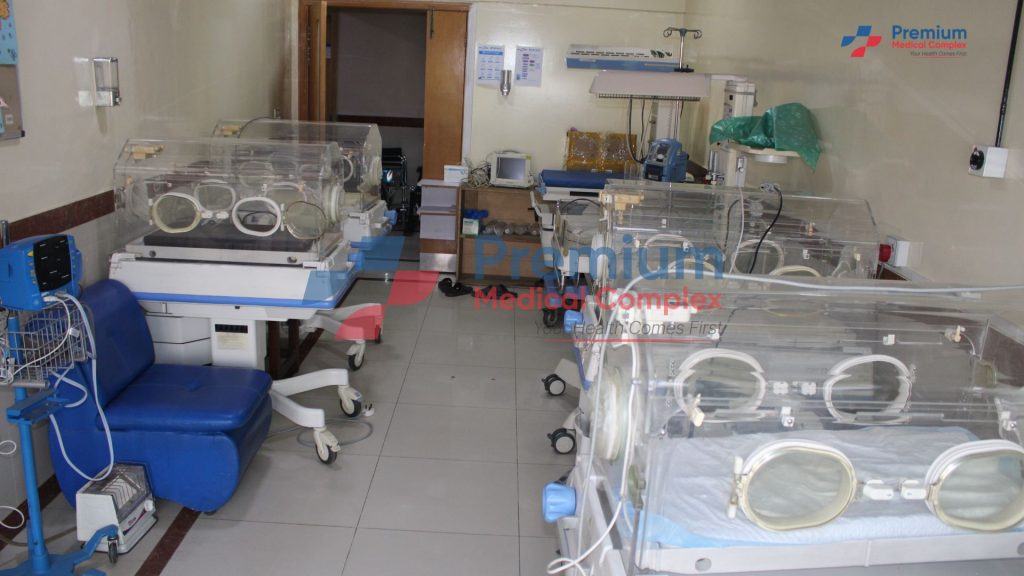
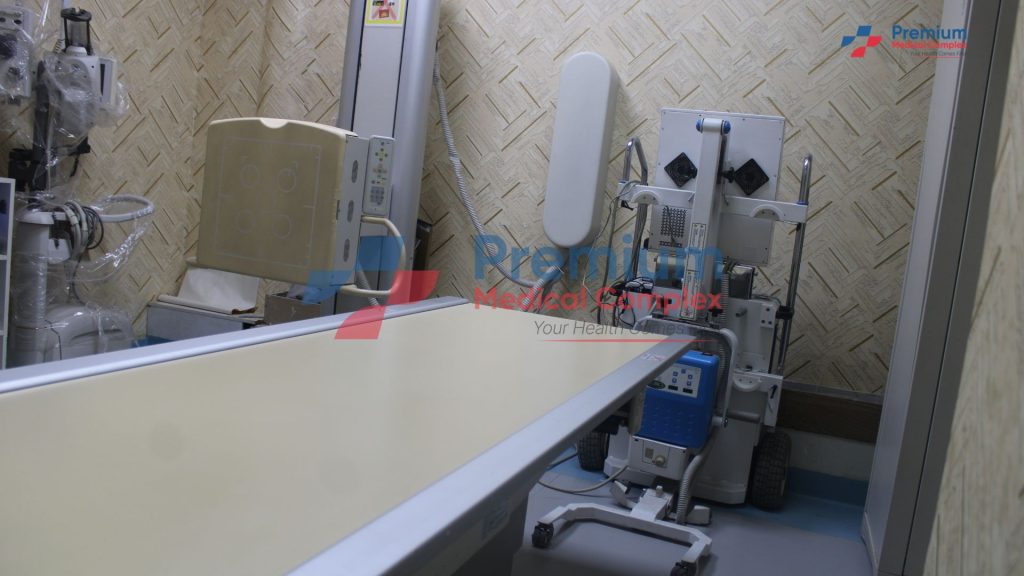
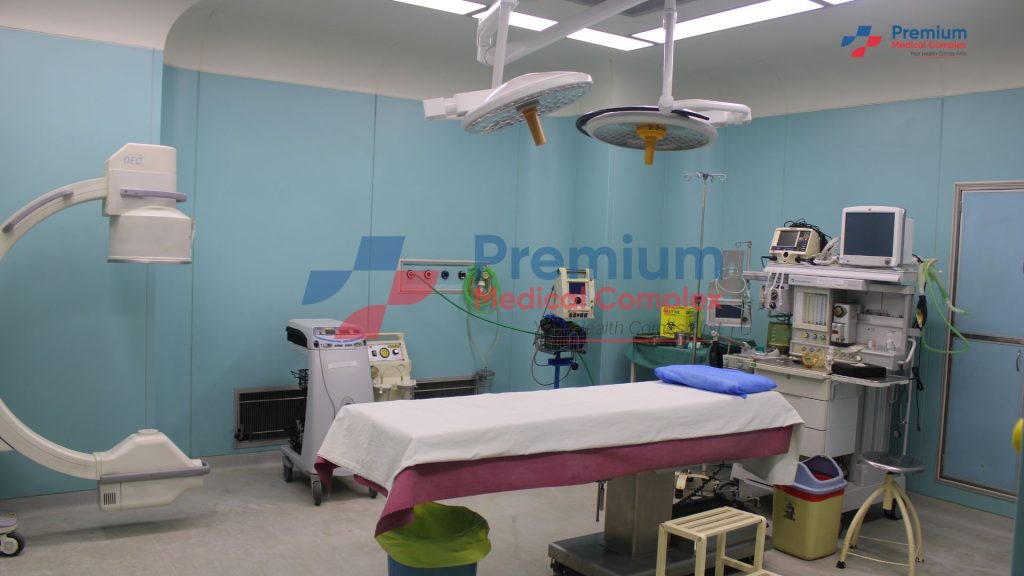
Best Clinical Trial Unit in Islamabad | CTU-PMC Islamabad, Pakistan’s capital city, is known not only for its scenic beauty and modern infrastructure but also for its growing contribution to medical research and innovation. At the heart of this progress stands CTU-PMC (Clinical Trial Unit – Premium Medical Complex), a pioneering center dedicated to advancing ethical and evidence-based clinical trials. The Clinical Trial Unit in Islamabad plays a vital role in bridging the gap between science and patient care, ensuring that medical discoveries are safe, effective, and aligned with international research standards. 🌍 The Growing Need for Clinical Research in Islamabad Pakistan’s healthcare sector is rapidly evolving. With a population exceeding 240 million and an increasing burden of chronic diseases, the demand for safe and innovative treatments is stronger than ever. Islamabad, as the nation’s medical and research hub, has emerged as the ideal center for conducting clinical trials that follow Good Clinical Practice (GCP) and Drug Regulatory Authority of Pakistan (DRAP) guidelines. Clinical trials conducted in Islamabad not only help test the effectiveness of new medicines and therapies but also ensure that local populations benefit from the latest global healthcare advancements. 🧪 CTU-PMC: Pioneering Clinical Trials in Pakistan The Clinical Trial Unit at Premium Medical Complex (CTU-PMC) is one of the first DRAP-registered and internationally compliant research facilities in Pakistan. Its mission is to conduct safe, transparent, and patient-centered clinical trials that meet global scientific and ethical standards. Key Focus Areas at CTU-PMC include: By setting new standards of professionalism, CTU-PMC has positioned itself as a benchmark for clinical excellence in Islamabad and beyond. 🧬 World-Class Research Infrastructure CTU-PMC’s clinical trial unit in Islamabad is equipped with cutting-edge infrastructure that meets international requirements. The facility includes: Such advanced resources allow CTU-PMC to conduct both local and multinational research projects with accuracy, efficiency, and integrity. 🤝 Collaboration and Partnership Opportunities One of the key strengths of CTU-PMC Islamabad lies in its collaborative approach. The unit actively partners with universities, global research institutions, and pharmaceutical companies to develop new treatments and share knowledge. Through these collaborations, CTU-PMC fosters innovation, helps secure research grants, and opens pathways for Pakistani scientists and healthcare professionals to participate in global medical breakthroughs. 🧠 Ethical Research: A Commitment to Patient Rights At the core of CTU-PMC’s philosophy is an unshakable commitment to ethics, transparency, and patient welfare. Every trial conducted within the facility is reviewed by ethical committees and complies with DRAP regulations. Patient consent, data confidentiality, and medical oversight remain top priorities throughout every research stage. By upholding these values, CTU-PMC ensures that participants are treated with respect, dignity, and care — creating a culture of trust in medical research across Pakistan. ⚙️ The Clinical Research Process at CTU-PMC Clinical research at CTU-PMC follows a meticulous and transparent process: This systematic workflow ensures that each study contributes to better healthcare outcomes and medical progress. 💡 Empowering Future Researchers Beyond conducting clinical trials, CTU-PMC actively invests in training and capacity-building programs for Pakistani healthcare professionals.Workshops on Good Clinical Practice (GCP), ethical research, and data management empower new researchers to participate confidently in international research collaborations. By nurturing young scientists and clinicians, CTU-PMC is strengthening Pakistan’s presence in the global medical innovation network. 💊 Impact on Pakistan’s Healthcare Future Through its continuous dedication to quality, ethics, and innovation, CTU-PMC is transforming the clinical research landscape of Pakistan. Its contributions include: Ultimately, CTU-PMC’s Clinical Trial Unit in Islamabad represents a vision for a healthier, research-driven Pakistan. 🔗 Learn More To explore ongoing projects, training programs, and partnership opportunities, visit the official website:👉 https://ctu.pmcpk.com/ 🩶 Conclusion The Clinical Trial Unit in Islamabad (CTU-PMC) stands as a symbol of medical progress, ethical excellence, and research innovation. By merging science, compassion, and technology, CTU-PMC is helping shape the future of healthcare in Pakistan — one ethical trial at a time.

Pharmaceutical Research in Islamabad at PMC Clinical Research Unit

Pharmaceutical Research

Best Pharmaceutical Research in Islamabad | CTU-PMC Pharmaceutical research forms the foundation of medical progress, driving new treatments, vaccines, and healthcare solutions for society. In Islamabad, the capital of Pakistan, this research is entering a transformative phase — powered by cutting-edge institutions like CTU-PMC (Clinical Trial Unit – Premium Medical Complex).As one of the nation’s first DRAP-registered (Drug Regulatory Authority of Pakistan) clinical trial units, CTU-PMC has become a leader in ethical, evidence-based, and patient-oriented pharmaceutical research. It serves as a bridge between science and public health, creating safer, more effective medical interventions for patients across Pakistan. The Growing Importance of Pharmaceutical Research in Islamabad Islamabad has emerged as a strategic location for medical and pharmaceutical research. With its proximity to top universities, hospitals, and regulatory bodies, the city offers an ecosystem that encourages collaboration and innovation. Pharmaceutical research here not only contributes to the discovery of new drugs but also ensures that Pakistan aligns with international medical standards. As healthcare challenges evolve, Islamabad’s research centers — particularly CTU-PMC — are helping the country meet global expectations by conducting Phase I – IV clinical trials, post-marketing studies, and pharmacovigilance programs. These efforts help ensure that every new therapy entering the Pakistani market is both safe and effective. CTU-PMC: A Pillar of Pharmaceutical Innovation CTU-PMC stands as a symbol of excellence in pharmaceutical research. Located within the Premium Medical Complex, this facility combines scientific expertise, modern technology, and strict adherence to ethical research guidelines. Its mission is to promote innovation with integrity — developing treatments and medical solutions that improve patient lives while meeting global research standards. Core Areas of Focus CTU-PMC’s team includes experienced physicians, pharmacologists, and certified clinical research coordinators who ensure that every study meets Good Clinical Practice (GCP) and DRAP compliance. Advanced Research Infrastructure One of CTU-PMC’s greatest strengths lies in its state-of-the-art infrastructure designed to support complex pharmaceutical research.Key features include: This infrastructure allows CTU-PMC to conduct both local and multinational studies, contributing significantly to Pakistan’s participation in the global pharmaceutical industry. Ethical Standards and Regulatory Compliance In pharmaceutical research, ethics and safety are non-negotiable. CTU-PMC ensures that all studies receive approval from DRAP and are reviewed by its Ethics Committee before implementation. Every participant’s rights are protected through informed consent, data privacy, and continuous monitoring. This focus on ethics has earned CTU-PMC a reputation for trust and transparency in the research community. By following ICH-GCP guidelines, CTU-PMC guarantees that all research outcomes are valid, reproducible, and acceptable to international regulatory authorities. Collaboration and Capacity Building CTU-PMC actively collaborates with global pharmaceutical companies, local universities, and public health organizations. These partnerships enable technology transfer, funding opportunities, and knowledge exchange that strengthen Pakistan’s scientific community. The unit also invests heavily in capacity building by organizing regular training workshops, internships, and certification programs for doctors, pharmacists, and young researchers. Through these initiatives, Islamabad is nurturing a generation of research professionals who can lead Pakistan into a new era of medical innovation. Impact on Pakistan’s Healthcare System The results of CTU-PMC’s pharmaceutical research extend beyond laboratories and publications. The real impact is seen in improved healthcare outcomes for patients.Some of the key contributions include: Each study completed at CTU-PMC adds valuable data to national and international databases, influencing treatment guidelines and policy decisions. Challenges and Future Prospects While Islamabad’s research ecosystem is growing rapidly, challenges remain — including limited funding, public awareness, and global recognition. However, institutions like CTU-PMC are addressing these challenges through advocacy, partnership, and high-quality results. The future of pharmaceutical research in Pakistan is bright. With government support and continued collaboration, Islamabad is poised to become a South Asian center for ethical and innovative medical research. CTU-PMC’s commitment to scientific excellence and community health ensures that the momentum toward innovation will continue to grow. Conclusion Pharmaceutical research is more than science — it’s a promise for a healthier tomorrow.Through its pioneering work, CTU-PMC is leading Islamabad’s transformation into a hub for advanced medical discovery and development. Its blend of ethical practices, advanced facilities, and human compassion sets new benchmarks for research quality in Pakistan. For more details about CTU-PMC’s ongoing projects, facilities, and collaborations, visit:

DRAP clinical trial guidelines in Islamabad

DRAP Clinical Trial Unit

Best DRAP Clinical Trial Unit in Islamabad | CTU-PMC Pakistan’s healthcare and pharmaceutical research sectors have evolved rapidly in recent years. With this growth comes the responsibility to protect human participants and ensure that clinical studies meet the highest ethical, scientific, and regulatory standards. The Drug Regulatory Authority of Pakistan (DRAP) plays a central role in achieving this balance through its clinical trial guidelines. These guidelines are designed to regulate, monitor, and standardize clinical trials across Pakistan — aligning national research practices with global norms such as the ICH-GCP (Good Clinical Practice) and WHO standards. 1. Understanding DRAP and Its Role The Drug Regulatory Authority of Pakistan (DRAP) was established under the DRAP Act, 2012. It serves as the national authority responsible for ensuring that drugs, biological products, and clinical research are safe, effective, and ethical. In the context of clinical trials, DRAP acts as both a regulatory body and a guardian of public health, ensuring that studies involving human participants are scientifically justified and ethically sound. DRAP’s guidelines provide detailed instructions for: 2. Legal Foundation: The Bio-Study Rules 2017 The Bio-Study Rules, 2017, introduced by DRAP, mark a milestone in Pakistan’s research regulation framework. These rules provide the legal foundation for all clinical and bio-equivalence studies conducted within the country. Under these rules: These rules ensure that every phase — from trial design to data submission — follows globally accepted norms. 3. DRAP’s Clinical Trials Evaluation Committee (CTEC) The CTEC is DRAP’s dedicated body for reviewing and approving clinical trial applications. It is composed of medical, pharmaceutical, and ethical experts who evaluate: No clinical trial in Pakistan can begin without CTEC’s approval, ensuring a strict filter that protects research participants and maintains scientific credibility. 4. Approval Process for Clinical Trials The process of gaining DRAP approval involves several structured steps: This transparent process enhances accountability and prevents unauthorized or unsafe trials. 5. Ethical Oversight and IRB Role Ethical compliance remains at the heart of DRAP’s clinical trial guidelines. All research involving human subjects must be approved by an Institutional Review Board (IRB) or Ethics Committee (EC) before submission to DRAP. The IRB ensures: This two-tier review system — first by the IRB, then by DRAP’s CTEC — provides strong ethical safeguards. 6. Phases of Clinical Trials Under DRAP Guidelines DRAP recognizes and regulates all four phases of clinical trials: Each phase requires separate approval and reporting to DRAP, ensuring continuous monitoring throughout the drug development process. 7. GCP Compliance and Investigator Responsibilities Under DRAP’s guidelines, all investigators must adhere to Good Clinical Practice (GCP). This includes: Investigators and sponsors are also required to undergo GCP training and retain certification records. Failure to comply can lead to trial suspension or penalties. 8. Clinical Trial Site Licensing DRAP mandates that every Clinical Trial Site (CTS) must be: This licensing ensures that research infrastructure meets international safety and quality standards. It also guarantees that all data generated is reliable, traceable, and auditable. 9. Reporting and Monitoring Requirements DRAP’s framework demands rigorous documentation and monitoring: In addition, DRAP reserves the right to conduct unannounced inspections to verify compliance with the Bio-Study Rules and ethical guidelines. 10. Penalties for Non-Compliance Non-compliance with DRAP clinical trial guidelines can result in: These enforcement measures are crucial for maintaining public trust in the research system. 11. Future Outlook: DRAP and Global Collaboration Pakistan is gradually becoming a regional hub for clinical research, attracting global pharmaceutical sponsors. DRAP’s evolving guidelines now emphasize digitalization, international collaboration, and transparency. The authority’s alignment with WHO and ICH standards not only enhances Pakistan’s global credibility but also encourages ethical innovation and local capacity building. With more Clinical Trial Units (CTUs) emerging in universities and hospitals, Pakistan’s research ecosystem is poised for sustainable growth — guided firmly by DRAP’s ethical and scientific framework. Conclusion The DRAP clinical trial guidelines are more than a set of rules; they represent Pakistan’s commitment to responsible and transparent medical research. By ensuring compliance with ethical, legal, and scientific standards, DRAP safeguards patient welfare while promoting innovation. Whether you are a researcher, sponsor, or participant, understanding these guidelines is essential to contributing responsibly to Pakistan’s growing clinical research landscape. Ethical science and regulatory vigilance — that is the foundation of Pakistan’s journey toward global clinical research excellence.

Ethical clinical research practices in Pakistan

Clinical Research Ethics

Best Clinical Research Ethics in Islamabad| CTU-PMC Clinical research is the cornerstone of medical innovation. It provides the evidence needed to introduce new drugs, therapies, and technologies that save lives. However, in Pakistan, like in every country that values human dignity, the ethical conduct of such research is not just a formality — it is a legal, moral, and scientific necessity. The Clinical Trial Units (CTUs) across Pakistan are responsible for ensuring that every clinical study follows the highest ethical standards — protecting the rights, safety, and welfare of all participants. 1. The Foundation of Research Ethics Ethics in clinical research revolve around one core principle: respect for human life. The ethical framework ensures that no human participant is ever exploited or harmed in the name of science. In Pakistan, this principle is upheld through national regulations and international ethical codes, such as: Every Clinical Trial Unit in Pakistan must follow these international benchmarks along with local laws set by the Drug Regulatory Authority of Pakistan (DRAP) and the National Bioethics Committee (NBC). 2. Regulatory Framework for Clinical Research Ethics in Islamabad Islamabad’s clinical research landscape has matured significantly over the past decade. The Drug Regulatory Authority of Pakistan (DRAP), established under the DRAP Act 2012, regulates and monitors all clinical trials and biomedical research activities. DRAP’s Bio-Study Rules (2017) make it mandatory that all research involving human participants must be approved by: These bodies ensure that the study protocols, consent forms, and recruitment procedures meet ethical and scientific standards before approval is granted. 3. The Role of Institutional Review Boards (IRBs) Every Clinical Trial Unit (CTU) or research institute conducting clinical research in Pakistan must have an Institutional Review Board (IRB) or Ethics Committee (EC). The IRB’s role is to: The IRB approval is a prerequisite before any clinical trial can begin. This step guarantees that research subjects are never exposed to unnecessary risks and that confidentiality is always maintained. 4. Informed Consent: A Cornerstone of Ethical Practice One of the most vital components of ethical clinical research in Pakistan is informed consent. Participants must be given full information — in a language they understand — about: In Pakistan, consent forms are often translated into Urdu and regional languages to ensure clarity and accessibility for all participants, regardless of literacy level. This process ensures that participation is voluntary, informed, and free from coercion. 5. Protecting Vulnerable Populations Pakistan’s diverse population includes vulnerable groups — such as children, the elderly, economically disadvantaged individuals, and those with limited education. Ethical clinical research must provide special safeguards for these participants. For instance: The National Bioethics Committee (NBC) provides detailed guidance for such cases to prevent exploitation. 6. Training and Capacity Building in Research Ethics To strengthen ethical research culture, Pakistan has initiated training programs for researchers and ethics committee members. Universities, hospitals, and CTUs often collaborate with organizations such as: These programs cover: This continuous education ensures that ethical principles are not just understood but actively practiced in daily research operations. 7. Challenges in Maintaining Ethical Standards Despite major progress, Pakistan still faces several challenges in implementing clinical research ethics: However, national efforts led by DRAP, HEC, and NBC are closing these gaps through strict regulation, digital registration systems, and public awareness campaigns. 8. The Future of Ethical Clinical Research in Pakistan The future looks promising. With increasing pharmaceutical investments and academic collaboration, Pakistan is rapidly developing into a regional hub for clinical trials. To sustain this growth ethically, the focus must remain on: Institutions such as Clinical Trial Units (CTUs) at medical universities are key drivers of this transformation — ensuring that Pakistan’s contribution to global medical research remains both credible and humane. Conclusion Ethics are the foundation of clinical research — without them, even the most advanced science loses its moral compass. In Pakistan, the combined efforts of DRAP, NBC, IRBs, and CTUs ensure that every research participant is treated with respect and care. By maintaining ethical integrity, Pakistan is not only improving the quality of medical research but also building trust among patients, sponsors, and the global scientific community. Clinical research ethics in Pakistan are not just rules — they are the moral heartbeat of medical discovery.

Clinical Trial Center in Islamabad at PMC Clinical Trail Unit

Clinical Trail Center

Best Clinical Trail Center in Islamabad | CTU-PMC The Clinical Trial Center in Islamabad stands at the forefront of medical innovation and ethical research in Pakistan. As part of a new era of evidence-based medicine, our mission is to improve patient care, expand treatment options, and contribute to global medical knowledge through rigorous, transparent, and patient-centered clinical studies. At PMC Research, we believe that every breakthrough begins with research. Our Clinical Trial Center provides world-class facilities, expert investigators, and cutting-edge technologies to ensure that every study meets international standards for quality, safety, and integrity. What is a Clinical Trial? A clinical trial is a carefully designed medical study that evaluates the safety, effectiveness, and potential benefits of new treatments, drugs, vaccines, or medical devices. These studies are conducted under strict ethical guidelines and monitored by qualified professionals to ensure the well-being of participants. In Islamabad, our Clinical Trial Center serves as a hub for such groundbreaking research, bridging the gap between science and patient care. Each trial is conducted with the goal of improving healthcare outcomes — not only for local communities but for patients across the globe. Our Focus Areas At PMC’s Clinical Trial Center, we conduct studies across multiple therapeutic areas, including: Our multi-disciplinary approach ensures that we contribute to several areas of medical science simultaneously. Commitment to Ethical Research Ethical conduct is the cornerstone of every trial at our center. We follow strict Institutional Review Board (IRB) and Ethics Committee approvals before initiating any study. Every participant is informed in detail about the trial’s purpose, potential benefits, and risks before giving consent. We adhere to the highest standards of Good Clinical Practice (GCP) and International Council for Harmonisation (ICH) guidelines, ensuring that all trials are transparent, credible, and compliant with international laws. Facilities and Capabilities Our Clinical Trial Center in Islamabad is equipped with advanced infrastructure to support all phases of clinical research — from early-stage studies to post-market evaluations.Some of our core capabilities include: This robust setup allows us to conduct both Phase I–IV clinical trials effectively, ensuring accurate data and reliable outcomes. Patient Safety and Care Patient safety is our top priority. Each trial is designed to minimize risk and maximize medical benefit. Our team of doctors, nurses, and coordinators monitor participants continuously, ensuring prompt care in case of any medical event. We also believe in informed participation — every volunteer is educated about the study and has the freedom to withdraw at any time. This approach helps maintain trust, transparency, and long-term credibility. Partnerships and Collaboration Collaboration is key to scientific progress. Our Clinical Trial Center works closely with: Through these partnerships, we aim to position Islamabad as a leading destination for clinical research and pharmaceutical innovation in South Asia. Contributing to the Future of Healthcare By conducting high-quality clinical trials, we not only support the development of new treatments but also contribute to Pakistan’s growing role in global healthcare. Each study completed at our Clinical Trial Center adds valuable knowledge that can transform medical practice, improve therapies, and save lives. Our vision is to make Islamabad a regional leader in ethical medical research — where innovation meets compassion and science serves humanity. Join Our Research Journey Whether you are a patient seeking advanced treatment options, a healthcare professional interested in collaboration, or a research organization looking for a trusted partner, the Clinical Trial Center in Islamabad welcomes you. Together, we can shape the future of medicine — one trial at a time.

Scroll to Top