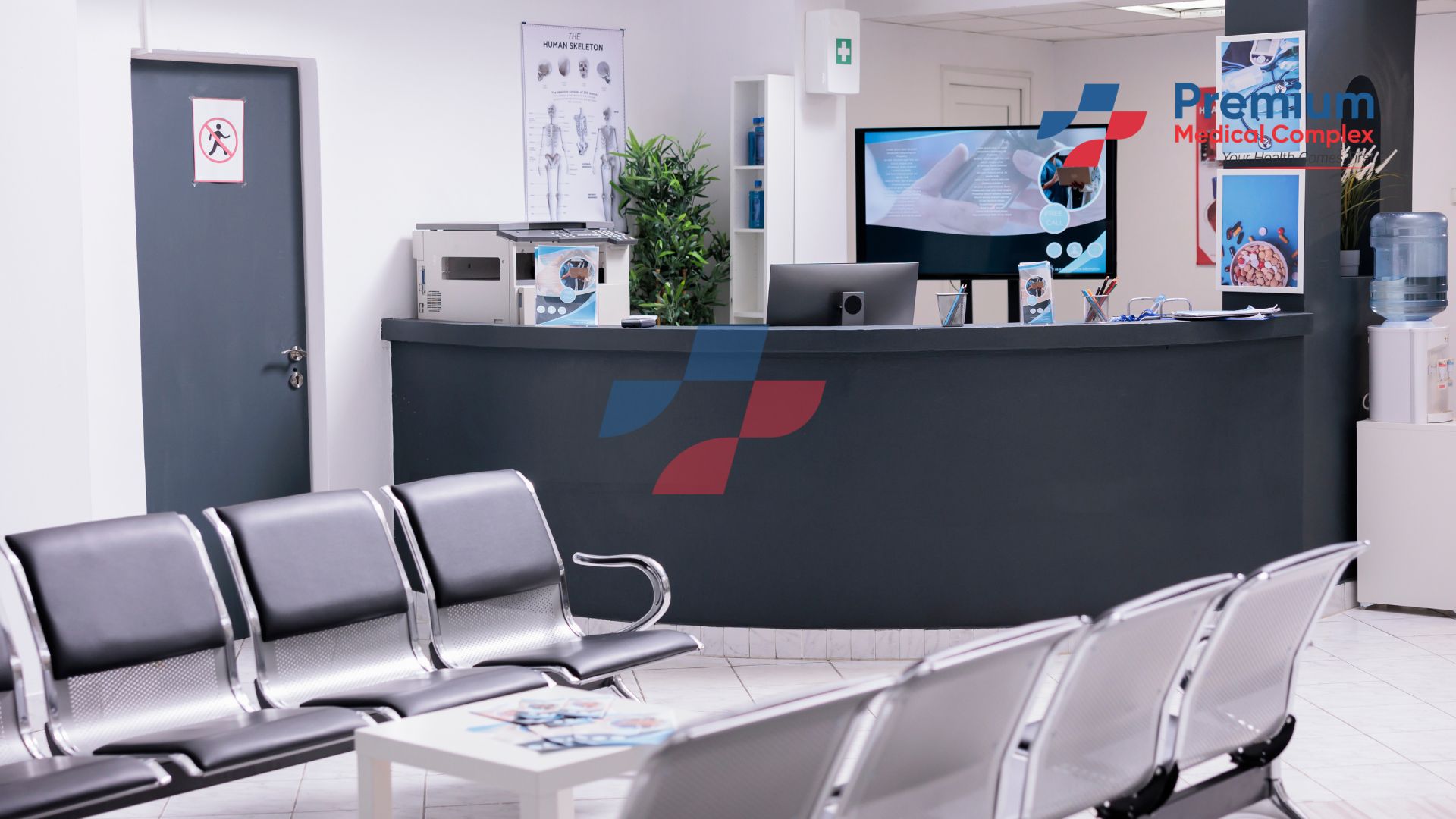

Patient Safety Protocols in Clinical Trials | CTU-PMC’s Critical Approach
Ensuring patient safety is the cornerstone of successful clinical research. In Pakistan, Critical Patient Safety Protocols in Clinical Trials are critical for maintaining ethical standards, protecting participants, and generating reliable data. CTU-PMC, a leading clinical trials unit in Lahore, implements DRAP-approved, GCP-compliant procedures to safeguard patient well-being while conducting innovative drug trials, ethical clinical studies, and phase II, III, IV clinical trials.
This comprehensive approach ensures that patients participating in clinical research experience high standards of care while contributing to the advancement of medicine.
1. Understanding the Importance of Patient Safety Protocols
Patient safety protocols are systematic procedures designed to:
- Protect trial participants from harm
- Monitor adverse events in real-time
- Ensure ethical and legal compliance
- Improve data quality and reliability
At CTU-PMC, we treat patient safety as a critical component of every trial, whether it’s a Lahore clinical trial facility, PMC clinical trials, or a DRAP-approved clinical research center.
2. Regulatory Compliance for Patient Safety
Safety protocols are tightly regulated in Pakistan. CTU-PMC ensures compliance with:
- DRAP guidelines for clinical trials
- International Council for Harmonisation – Good Clinical Practice (ICH-GCP)
- Institutional Review Board (IRB) approvals for ethical oversight
These regulations guarantee that patient care and trial integrity are never compromised.
3. Informed Consent: Empowering Patients
A cornerstone of patient safety is the informed consent process:
- Clear explanation of trial objectives, procedures, and risks
- Opportunity for patients to ask questions
- Voluntary participation without pressure
- Documentation of consent per DRAP and GCP standards
By prioritizing informed consent, CTU-PMC ensures that patients make educated decisions about participation in clinical studies in Lahore.
4. Comprehensive Screening and Eligibility Assessment
Before enrollment, patients undergo detailed screening to assess:
- Medical history and current conditions
- Eligibility criteria for the study phase (I, II, III, IV)
- Potential contraindications or risk factors
This step minimizes potential harm and ensures that participants are suitable for the investigational drug or therapy.
5. Continuous Monitoring and Reporting
During the trial, patient safety is maintained through:
- Real-time monitoring of vitals and lab parameters
- Immediate reporting of adverse events (AEs) or serious adverse events (SAEs)
- Electronic data capture systems (EDC/eCRFs) for accurate documentation
- Collaboration with pharmacovigilance teams to manage risks
These measures ensure that any safety concerns are addressed promptly.
6. Emergency Response and Medical Support
CTU-PMC maintains fully equipped emergency facilities to manage unexpected medical events:
- On-site medical professionals trained in emergency care
- Immediate access to advanced diagnostics and treatment
- Clear escalation protocols for critical incidents
This ensures that participants in Lahore investigational drug trials receive timely and effective care.
7. Ethical Oversight and Independent Monitoring
Ethical integrity is central to patient safety. At CTU-PMC:
- Independent monitors conduct regular audits
- IRBs review ongoing studies for ethical compliance
- Data and safety monitoring boards (DSMB) provide oversight for complex trials
These steps uphold ethical clinical studies standards while maintaining participant trust.
8. Education and Training of Clinical Staff
Patient safety depends on skilled personnel:
- All investigators and coordinators receive GCP and DRAP-compliant training
- Staff are updated on emerging innovative drug trials techniques
- Continuous professional development ensures awareness of new clinical trial safety trends
9. Leveraging Technology to Enhance Safety
CTU-PMC integrates advanced technologies to improve patient safety:
- Wearable devices for real-time monitoring
- Telemedicine consultations to reduce patient burden
- AI-based analytics for early detection of adverse trends
This modern approach complements traditional monitoring to maximize protection for trial participants.
10. Post-Trial Follow-Up
Even after a trial concludes, CTU-PMC ensures patient safety through:
- Long-term monitoring for delayed adverse events
- Communication of trial results and ongoing recommendations
- Integration of Phase IV clinical trials for continued observation
This holistic approach ensures continuous care and trust in clinical research.
Conclusion
Critical Patient Safety Protocols in Clinical Trials are essential for ethical, effective, and reliable research. CTU-PMC combines DRAP-approved protocols, GCP-compliance, advanced monitoring technologies, and a patient-centered approach to lead innovative drug trials, ethical clinical studies, and clinical trial services in Lahore.
For more details on our services, visit CTU-PMC Services Page or refer to ICH-GCP guidelines for global safety standards.