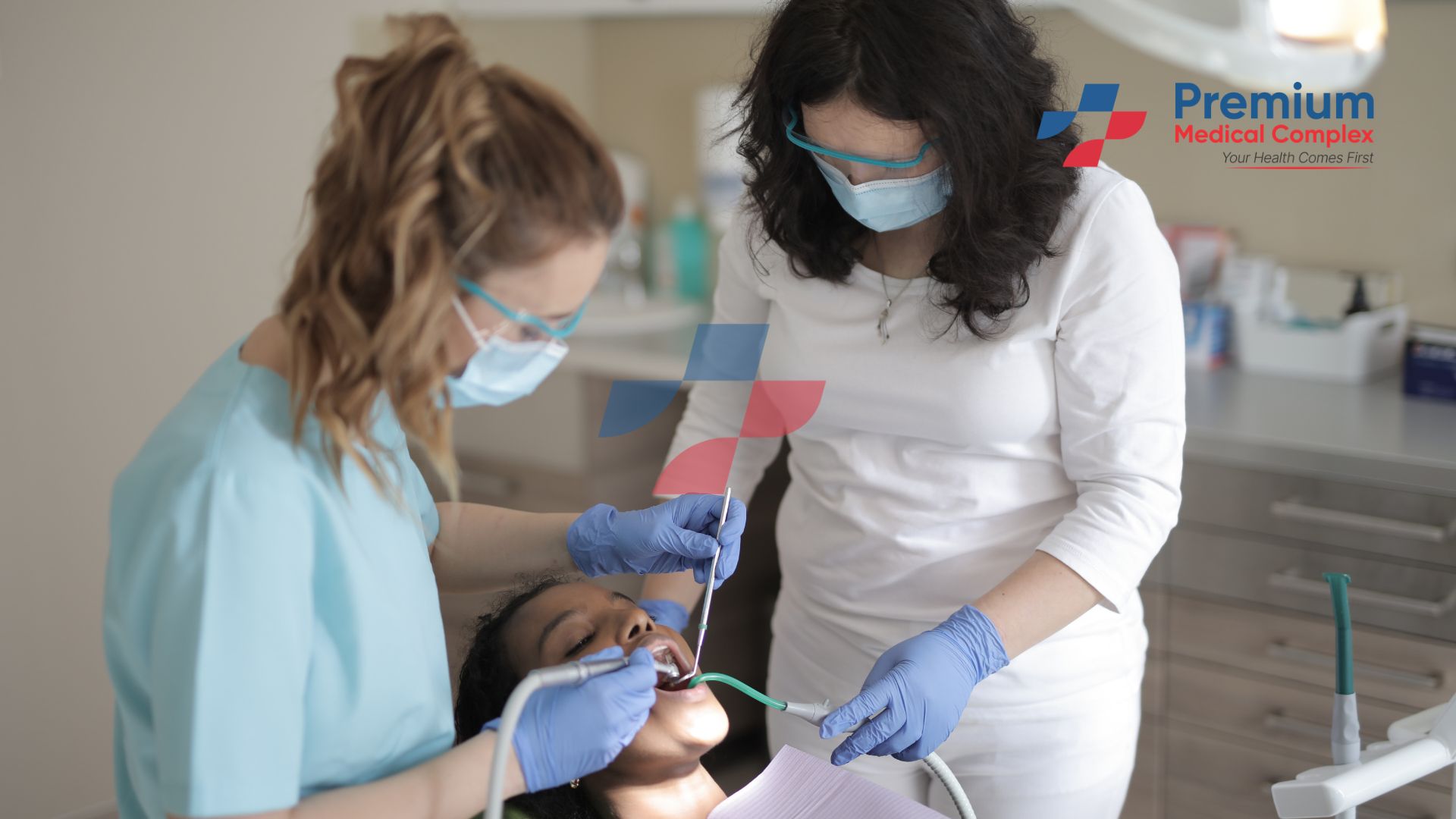

Women in Clinical Research: Breaking Barriers in Pakistan
In the history of medical science, women have often been the unsung heroes. Today, in Pakistan, that narrative is changing. The topic of Women in Clinical Research: Breaking Barriers in Pakistan is not just about gender equality; it is about scientific necessity.
At the Clinical Trial Unit (CTU) of Premium Medical Complex (PMC), we believe that the future of healthcare in Pakistan depends on the full participation of women—both as the brilliant minds conducting the research and as the empowered patients participating in it.
Pakistan faces unique cultural and social challenges, but the tide is turning. Below, we explore how female leadership is transforming the landscape of drug development and why their role is critical for the nation’s health.
The “Doctor Bride” Phenomenon vs. The Research Leader
Pakistan produces a high number of female medical graduates. In fact, in many medical colleges, women outnumber men. However, a significant number of these graduates do not enter the workforce, a phenomenon often termed the “Doctor Bride” effect.
Clinical research offers a powerful alternative to this trend. Unlike the grueling, unpredictable hours of emergency medicine, clinical research often offers a more structured career path that balances professional ambition with family life.
- A New Career Path: Research allows female doctors to remain at the forefront of medical innovation without necessarily enduring the burnout of 48-hour clinical shifts.
- Intellectual Leadership: At PMC, our female Principal Investigators (PIs) are not just “assistants”; they are leaders. They design protocols, analyze data, and publish findings that shape global medical guidelines.
Why Female Investigators are Critical for Patient Trust
In a conservative society like Pakistan, the gender of the researcher matters immensely. Women in Clinical Research: Breaking Barriers in Pakistan is often literal—breaking the barrier of entry for female patients.
- Cultural Modesty: Many female patients in Pakistan are uncomfortable discussing their health, especially reproductive or gynecological issues, with male doctors. A female researcher bridges this gap instantly.
- The Trust Factor: When a female investigator explains a consent form to a female participant, the comfort level increases. This “trust” is scientifically vital; it leads to better patient retention and more honest reporting of side effects.
- Family Dynamics: Female researchers are often better equipped to navigate the complex family dynamics where a patient might need to discuss participation with her husband or in-laws.
Overcoming Barriers for Female Participants
It is not just about the doctors; it is about the patients. Historically, clinical trials globally have under-represented women. In Pakistan, this gap is widened by mobility issues and lack of autonomy.
We are tackling this head-on:
- Safe Environments: Our CTU is designed to be a safe, respectable space. We ensure female nurses are available 24/7 for female participants.
- Education as Empowerment: We do not just ask women to sign a form. We educate them about their bodies and their rights. Participation in a trial is often the first time many women receive detailed medical attention and health literacy.
- Community Outreach: Our female coordinators go into communities to explain that research is not “testing on humans” but “treating with care.”
Success Stories: The Ripple Effect
When we talk about Women in Clinical Research: Breaking Barriers in Pakistan, we are talking about a ripple effect. Every time a female scientist at PMC successfully leads a trial, she becomes a role model for the next generation of STEM students. Every time a mother participates in a trial and sees her health improve, she becomes an advocate for science in her community.
How PMC Supports Women in Science
Premium Medical Complex is committed to being an employer of choice for women in STEM.
- Mentorship Programs: We pair junior female researchers with seasoned veterans to help them navigate their careers.
- Zero Tolerance Policy: We maintain a strict anti-harassment policy to ensure a workspace where women feel safe, respected, and valued.
- Flexible Roles: We understand the dual burden many Pakistani women face (managing home and work). Our administrative and data analysis roles often offer the flexibility needed to retain top talent.
The Scientific Advantage
Diversity isn’t just a buzzword; it improves data. Men and women often metabolize drugs differently. They experience heart attacks differently. By ensuring that Women in Clinical Research: Breaking Barriers in Pakistan is a priority, we ensure that the drugs approved in Pakistan are safe for everyone, not just men.
- Gender-Specific Data: Our female-led teams are hyper-aware of tracking gender-specific side effects, ensuring that our data contributes to the global understanding of women’s health.
Conclusion
The story of Women in Clinical Research: Breaking Barriers in Pakistan is still being written, and at Premium Medical Complex, we are proud to be the authors of a new chapter.
We invite female medical graduates to consider a career in research—a field where your mind is your greatest asset. We invite female patients to learn about their health—a domain where your participation can save the lives of your daughters and granddaughters.
Join the Movement. Are you a female medical professional looking for a career that matters? Or a patient seeking dignified care? Contact the Clinical Trial Unit at PMC today. Together, let’s break barriers and build a healthier Pakistan.
Visit CTU-PMC to learn more.